I have introduced Social Media Analytics (SMA) and the 6th Sustainable Development Goals (SDG) of United Nations–Clear Water and Sanitation in my first and second blogs respectively. And in the post, I will discuss how SMA can be applied to address the 6th SDG I mentioned in my second blog, however, before that, I wanna say something about the role of social media in water conservation first because there is a close connection between this two.
Social Media in Water Conservation
Nowadays, with the continuous development of network and technology and the popularity of mobile phones, the number of people using social media like Instagram, Twitter and Facebook is increasing rapidly.
Naturally, social media has become an important tool for providing the public with space and means to participate in some environmental decisions of governments and corporations and it has also created a way for people to connect local environmental challenges to environmental issues in other regions which can help people find solutions soon. So a lot of environmental organizations and even governments in many countries are now using social media to support environmental campaigns and consult the public on some environmental policies.[1]
Also, social media is a great platform for governments and environmental organizations to promote water conservation knowledge and launch water conservation campaigns because of its huge user base and its spreadable nature. Here are a few examples below:
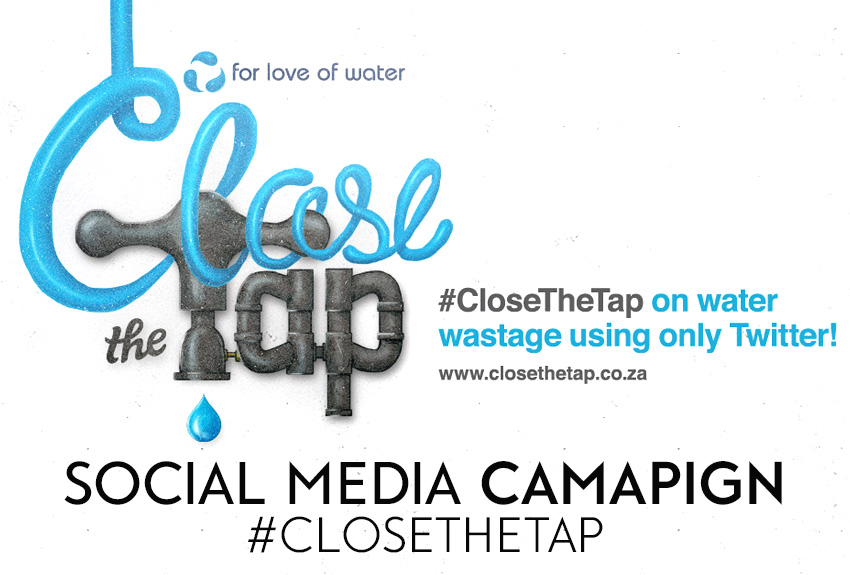
#CLOSETHETAP SOCIAL MEDIA CAMPAIGN
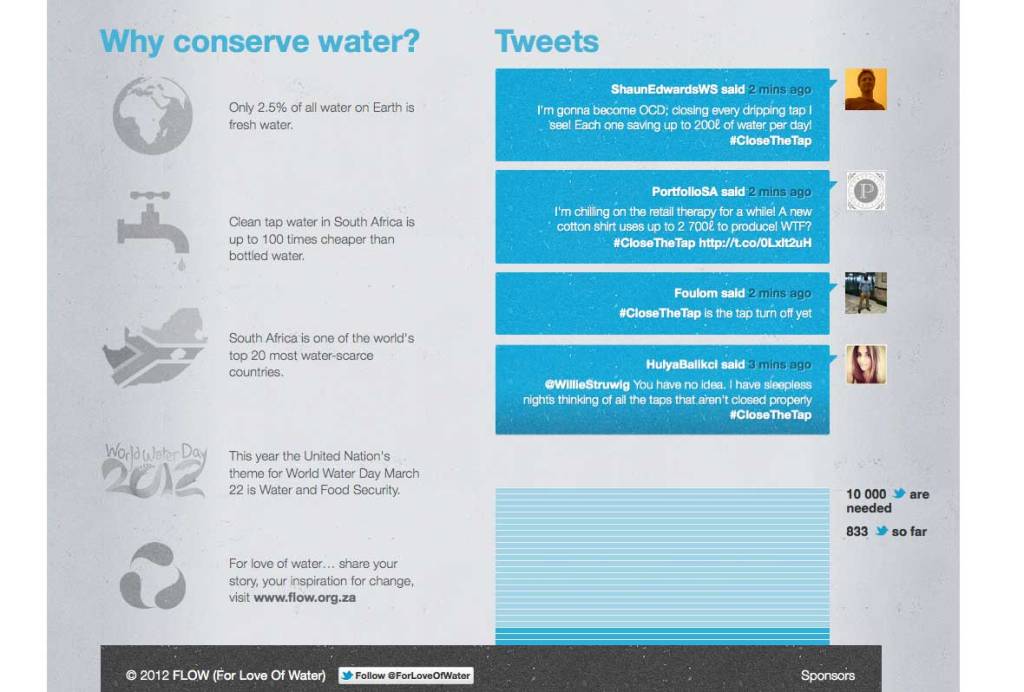
The ‘Close the Tap‘ campaign was launched by For Love of Water out of Capetown, South Africa in 2012 which aimed to encourage people worldwide to think about the usage of water resources and develop the habit of saving water. Using the social media platforms of Twitter and Facebook, it encourages people to post on Facebook or tweet using the hashtag #CloseTheTap, which will close the real-life running tap using recycled water streamed live on its site.
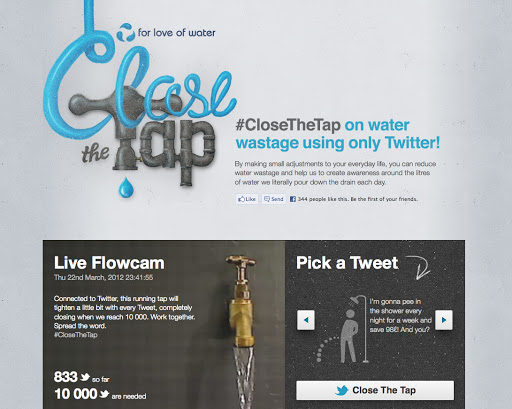
The company hoped to get over 10,000 social media posts so that they can turn the tap off and finally the tap was closed in just 71 days. During that time, Closethetap.com received 20233 visitors, of which 15095 were unique and they spent an average of 3 minutes and 51 seconds on the site where they can learn some impactful water saving tips.[2]
The company was not launching this campaign to gain attention and publicity, but to remind people that their efforts do matter and that every bit helps in water conservation, to urge everyone to start with the small things in life and develop a good habit of saving water. This is why it post some water saving tips on its website for people to repost and share.
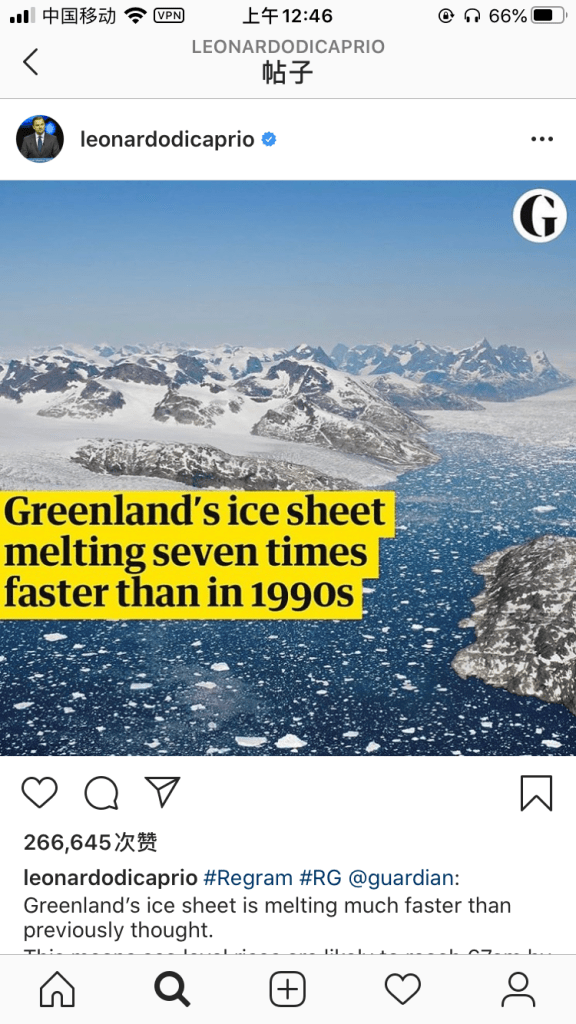
Leonardo Dicaprio
In addition to environmental organizations, many environmentalists will also post some news about environmental issues and related videos and pictures on social media to call attention to environmental issues.
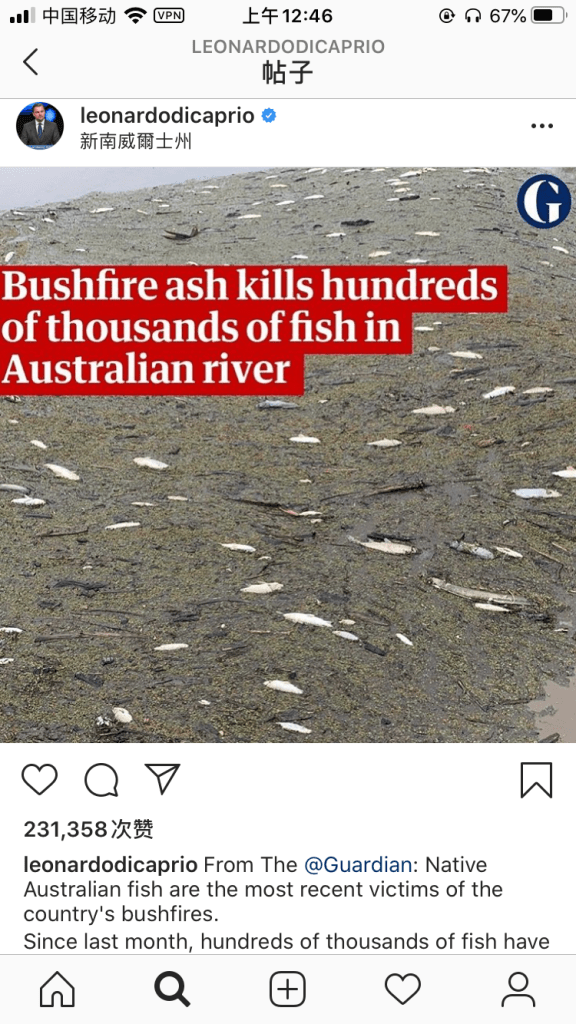
Here I take one of the most famous and my favourite actor–Leonardo Dicaprio as an example, in addition to the actor, he is also an environmentalist in his daily life who attend all kinds of environmental events regularly and even set up a foundation named after himself to provide financial support to global non-profit environmental protection agencies. Also, on his personal social media, there are almost all posts calling for attention to environmental issues like global climate change, water scarcity and ocean pollution. It’s so admirable that he use his fame, his influence to get people’s attention to environmental issues.
So what can SMA contribute to water conservation?
Social Media Analytics in Water Conservation
As social media plays an increasingly important role in public life, SMA has been applied in various fields to promote water conservation. Here are a few applications below:
Water Quality Monitoring
As people pay more and more attention to the water crisis, ensuring the water quality of surface water systems has become an important task. However, traditional water quality monitoring networks require monitoring locations, variables, frequencies and instruments, as well as trained or educated field personnel which means that the establishment of surface water quality monitoring networks in a wide area is very costly.
Let’s take the Mississippi River Basin monitoring network run by US Geological Survey as an example. Currently, it costs between $ 4,000 and $ 6,000 to collect a single sample in the field and analysis of various physical / chemical parameters for each sample can increase the cost by $ 1,500 to $ 2,000, which means the number and sites of the sample are limited. Under this situation, some companies have the space and time to carry out some illegal pollution activities such as illegal sewage discharge.
So now some organizations are starting to combine traditional water quality monitoring networks with social media, in this way, people can help governments or related organizations to monitor water quality in the form of volunteers which can not only reduce costs, but also increase the system capability. In that kind of system, governments and related organizations can get information posted by users on social media such as picture and location. After SMA, the system can provide data support for related environmental policy development. Here’s an example below.
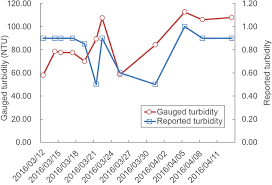
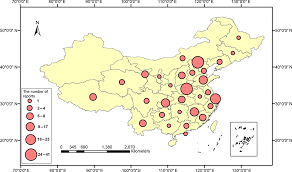
The Tsinghua Environment Monitoring Platform (TEMP) is a citizen water quality information collection and analysis platform based on WeChat released in 2017. WeChat has a mature public account function for enterprise and organization to interact with the user and a very high popularity in China which means it’s a perfect platform to apply the TEMP in China. In this system, volunteers assess water quality based on their perceptions and the standards provided by the system, while they can also upload photos to provide more information. The geographic location information is also very critical which is provided by the mobile phone’s built-in positioning function or the user enters it by himself. With these information, the related organization can get some useful data after SMA for governments to address water pollution and formulate environmental protection policies.[3]
Public Disclosure
Geolocation and hashtagson social media platforms such as Instagram and Twitter have provided a way for people to share stories about their local environments while they are able to connect these stories to larger environmental issues.
An example of this was people geotagging images in the 2015 California drought and linking them to the larger context of environmental issues using hashtags like “#drought”, “#globalwarming”, “#califoniadrought”, etc..[4] In this case, the local government can monitor local posts with these tags and put the information of these posts such as location, photo and key words into some SMA process so that the government would be able to find some environmental issues or some illegal pollution activities ASAP and take measures immediately even if it’s just a small issue.
Water Conservation in Daily Life
Also, SMA can help people develop water-saving habits in their daily lives.
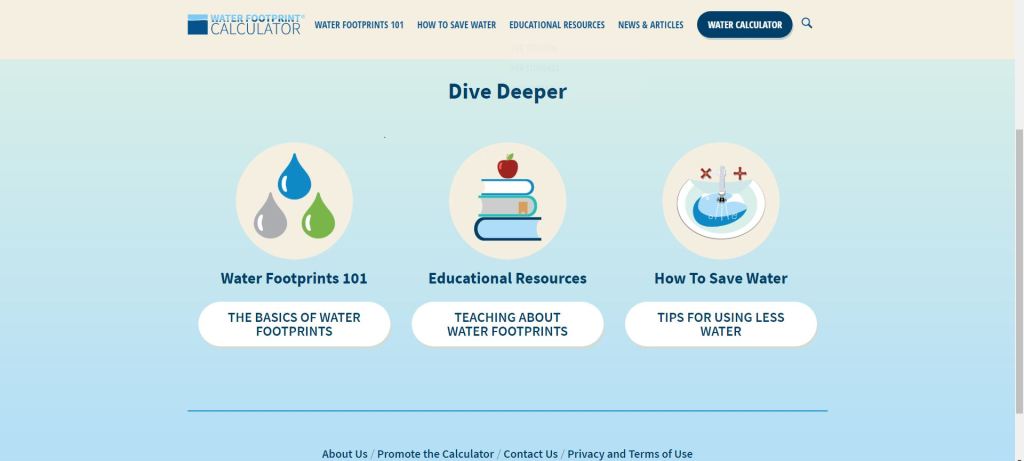
There are some interesting Apps that can serve as both social media where you can share your life and some environmental tips with your friends and calculator which can calculate whether your life is environmentally friendly once you enter some necessary parameters. I think that’s also a kind of application of SMA in water conservation. And Here’s an examples below:
Nation Geographic: Water Footprint Calculator was created by people at National Geographic where there are some light-hearted approaches for you to measure your usage across a variety of fields and make a pledge to lower your water consumption. And also you can share your green lifestyle and some water-saving tips with your friends on it.
In this technology-developing society, we must use technology to protect resources while using technology to obtain them.
References
[1] https://www.weforum.org/agenda/2016/04/can-social-media-help-to-save-the-environment
[2] https://www.flow.org.za/portfolios/closethetap-social-media-campaign/
[3] Hang Zheng, Yang Hong, Di Long and Hua Jing. Monitoring surface water quality using social media[J]. Hydrol. Earth Syst. Sci., 21, 949–961, 2017.
[4] http://environment.nationalgeographic.com/environment/freshwater/water-footprint-calculator/
 Zhao Yunxiang
I like the example of TEMP better. There ae so many social media platforms that are widely used in certain area, such as WeChat, Weibo in China and Twitter, Facebook in western countries. With these platforms, corporations, governments and organizations are able to interact with a large number of netizens easily and get some first-hand information and data, at the same time, they can publish information through the platform as soon as possible. Just like TEMP in water conservation, similar applications can be applied to help achieve other SDGs, the pattern can be spread.
赞Liked by 2 people
Yeah, I agree with you. With the development of social media and Internet technology, major social media will become a very important source of all kinds of information. And naturally, SMA will be applied to more fields, thereby making more contributions to the realization of SDGs. Thank you for sharing your opinions with me.
赞赞
The “Close the Tap” you mentioned in the article is a very novel example. In the past, people urged people to conserve water resources through online postings. They just stayed in the education stage, but now they can get real feedback by posting, which can greatly increase people’s enthusiasm for saving water resources. In addition, I also agree with your “Water Quality Monitoring” section, which has a similar point of view as I mentioned in my blog3, I hope you can visit my blog when you have time. By combining traditional water quality monitoring with social media, you can effectively reduce monitoring costs and improve performance. The “TEMP” you mentioned is a good example. I think the advancement of science and technology must also contribute to sustainable development.
赞Liked by 1 person
Thanks for your appreciation. As you said, people must use advanced science and technology to develop resources while also using advanced science and technology to achieve sustainable development. By the way, I have already read your blog and left a comment below your blog 🙂 that’s a great one!
赞赞
Wow, this is a quite comprehensive post and I benefit a lot from it! After reading your article, I have learned how the social media affects water conservation as well as how the social media analytics can be applied into this field. You really did a great job! By the way, I am very interested in “Nation Geographic: Water Footprint Calculator” you mentioned as an example in this post and I am willing to register on this application, expecting to contribute a little to the world’s water conservation.
赞赞
Before reading your blog, I’ve never thought the SMA could be applied to save water. With your comprehensive explaination, I think It’s realistic to use SMA to monitor the water quality. For now, water monitoring is a time-consuming thing. From your example of TEMP, it would be much easier to do water monitoring and reflect the actual situations. Even though we’re writing different topics, we both realize the footprint on social media is a powerful tool to acess enough information and make some measurements according to the conclusion drawn from the collecting data. I believe under the help of SMA, SDG6 can be truly acheived oneday.
赞赞
Your article is well written and illustrated. I like the diagrams inserted in your article. They make me feel more intuitively about the content in your article. And, you gave many examples in the article! For example, Leonardo Dicaprio, TEMOP, etc. Before that, I didn’t know that social media analysis could help us protect water resources like that. It is hoped that through these efforts, human beings can achieve Sustainable Development Goals at an early date.
赞赞